Cold Weather Operation Calls For Additional Planning
Operating an aerial lift safely should be every properly trained operator’s priority but operation during winter months takes some extra attention to detail.
Apply these winter weather safety tips to keep your crew safe in harsh winter conditions.
Aerial Lift and Site Preparation
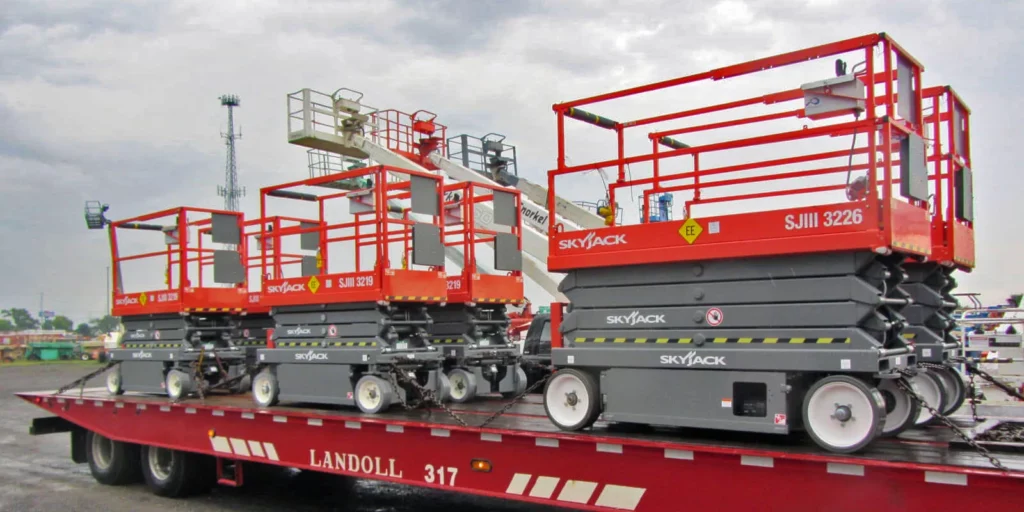
- Cover or store lifts indoors: Apply control measures to protect MEWP’s from winter weather conditions whenever possible including storing the machine indoors or covering with large tarps during off work hours.
- Allow the machine to warm up: Give the machine ample time to run to enable the engine oil and hydraulic fluid to warm up to prevent jerky movements.
- Fuel additives: Use gas line antifreeze/water remover products like HEET to prevent fuel line freeze up and diesel fuel antigel additive to prevent diesel gelling in cold temps when necessary.
- Check fluid levels: The pre operation inspection is critical and must include checking all fluid levels. Below freezing temperatures can significantly affect the performance of hydraulic fluid, engine oil, and engine coolant so make sure the machine has been properly maintenanced for cold weather.
- Check tire condition: Always make sure there is ample tire tread to ensure good traction on frozen terrain.
- Test machine functions: Take the extra time needed to make sure all functions are working as the manufacturer intended. Extreme temperatures can affect machine functions making them less responsive so make sure everything works as it was designed.
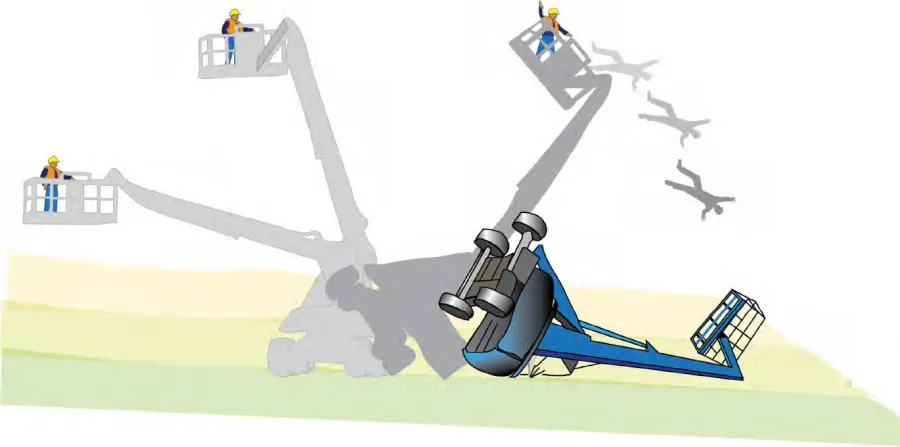
- Inspect and prep the worksite: Prepare the site by clearing snow and ice and using de-icing chemicals such as salt or brine where needed to make sure the travel route and work area is safe for MEWP operation and to prevent slips, equipment damage, and wind-related incidents. Check to make sure the ground surface is firm, level and free of ice and soft areas. Use outriggers if your machine has that option or use planks for better stability. Overnight snow fall can hide obstacles so be sure to check the entire workplace for hidden hazards.
Operator Safety and PPE
- Dress in layers: Wear at least 3 layers of loose fitting clothing, a properly insulated coat, gloves and waterproof boots with good traction.
- Protect your face and ears: Use a mask to protect face, nose and ears from extremely cold temps.
- Wear fall protection: Wind and icy conditions can increase fall risk so always use a full body harness and appropriate lanyards.
- Ensure secure footing: Take short steps and always look before you step especially on icy or snow covered ground.
- Be aware of cold stress symptoms: Things like numbness and tingling are early signs of cold stress. Be sure to stay hydrated and take frequent warming breaks. Keep an eye on co-workers who might be experiencing these types of symptoms.
- Plan for less daylight hours: Use additional work site lighting and wear high-visibility clothing.
The Bottom Line
When your job requires a MEWP in the winter, follow these key points to ensure equipment reliability, prevent slips, manage cold stress, and maintain situational awareness.