How Much Wind is Too Much?
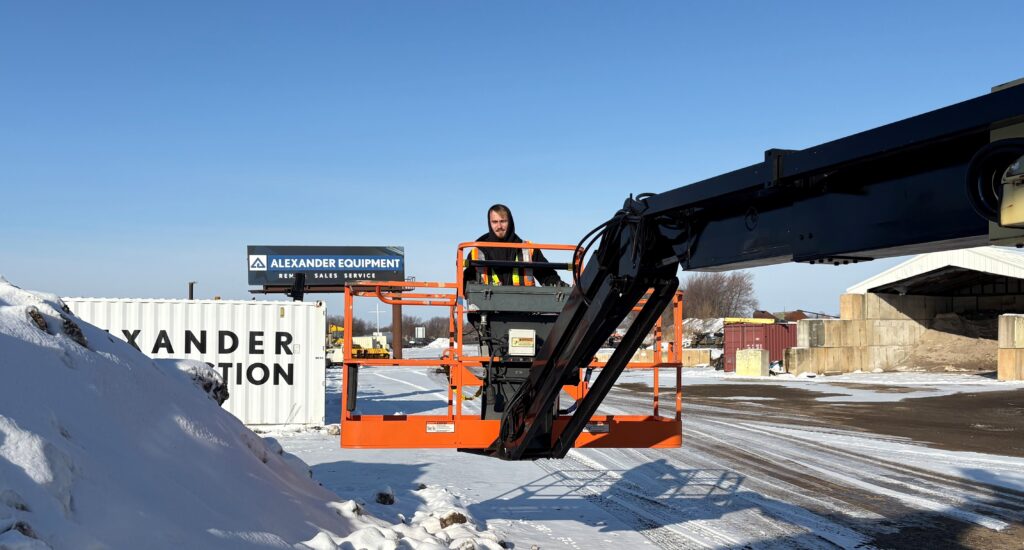
Every qualified Mobile Elevating Work Platform operator knows (MEWP’s) should never be operated in strong or gusty winds, but how do we know what the limits are and how do we measure wind pressure?
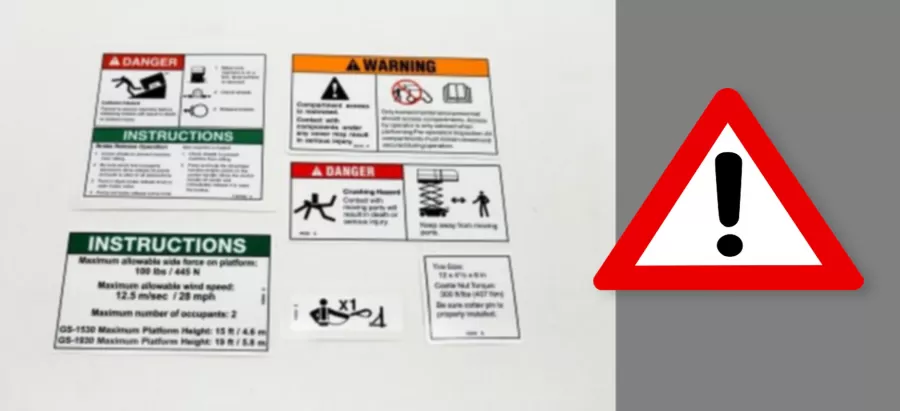
ANSI A92 standards require all outdoor rated aerial lift equipment be rated for maximum wind speeds of 28mph. Machines not rated for wind are strictly for indoor use and have a maximum wind speed rating of 0 mph.
Every aerial lift operator must be aware of the manufacturers maximum wind speed rating on the machine they will be operating.
The operator’s manual specific to the make and model (located in the weather proof compartment on the platform) will identify if your machine is rated for outdoor or indoor only use.
How to Determine Wind Speed on the Job Site
Weather apps can offer estimated wind speeds on a specific day in your location but do not rely on this data to determine if wind speeds are safe for operating your MEWP.
Using a handheld anemometer in the platform is recommended in order to measure real time work area wind speed. It is important to measure wind speed in your specific work location as well as at the elevation work needs to be performed.
Factors That Can Affect Wind Pressure
- Platform elevation.
- Local weather.
- Surrounding structures can block the wind causing a false lower wind speed reading.
- Structures in the work area can also cause a funneling affect increasing work area wind speed.
Important Wind Related Safety Principals
- Do not increase the surface or sail area of the platform.
- Anything you bring into the platform that increases the area exposed to the wind can greatly decrease machine stability.
- Unless specifically permitted in the operator’s manual, MEWP’s should not be used for lifting anything other than personnel and light tools up to where work is needed.
- Always perform a work place inspection prior to bringing the MEWP into the work site to determine if local wind speeds are safe for operation.
Never use a MEWP rated for indoor use (0 mph) when operating where wind can affect safe operation such as on construction sites that are in progress that have open areas exposed to the wind, or warehouses with open overhead doors.
The hazards associated with operating boom lifts, scissor lifts and vertical mast lifts are identified in the operator’s manual. Every qualified MEWP operator must be fully aware of these hazards and understand how to apply control measures in order to avoid them.
The hazards identified in the operator’s manual are grouped in several categories including tip over, fall collision and electrocution. These hazards must be observed in conjunction with all other workplace rules and regulations.
Bottom Line
- Do not operate a MEWP in strong or gusty winds.
- Use common sense and planning to avoid tip overs due to wind speeds that exceed the manufacturers maximum wind speed rating.